


 Erik Bjornstad
How to Get Your Home Heating Oil Furnace Ready for Winter
 Erik Bjornstad : Sep 15 2026
Prepare your heating oil furnace for winter with essential maintenance tips, including scheduling a tune-up and ensuring fuel quality for reliable...
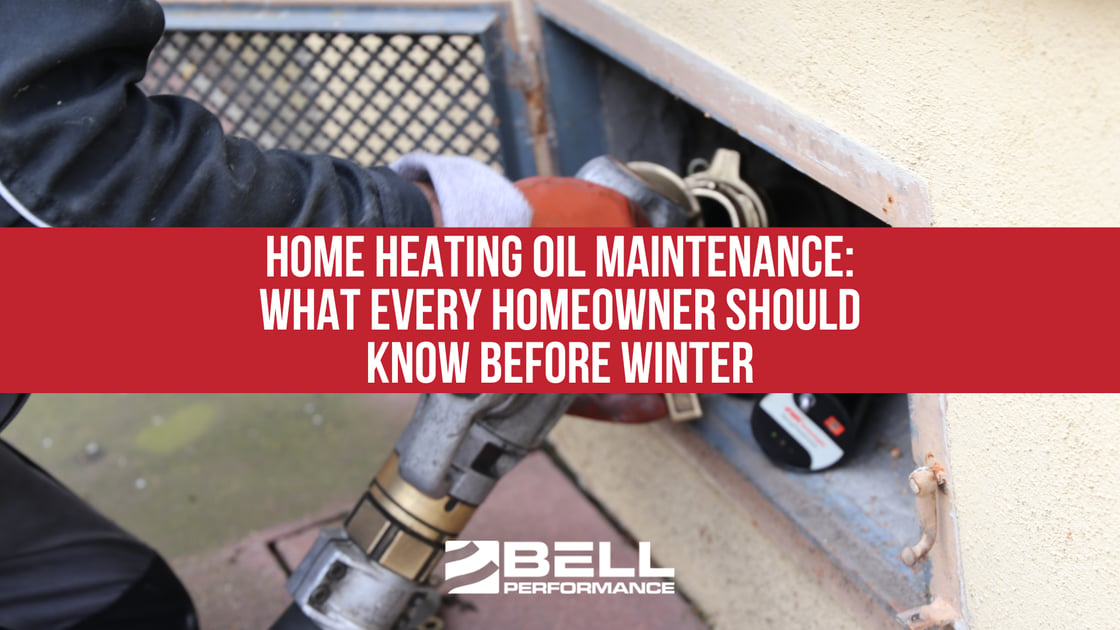
The first real cold night arrives sometime in October, the thermostat calls for heat, and the furnace that sat quiet since April either fires or it doesn't. Every oil-heat homeowner knows that small moment of listening for the burner to catch.
Quick answer
Before winter, a home heating oil system should receive its recommended professional inspection and service, which typically includes checking and cleaning the burner, inspecting or replacing the fuel filter and nozzle as needed, and verifying proper combustion. Homeowners should also pay attention to the condition of the heating oil and tank. Water, sludge and fuel degradation can contribute to plugged filters, poor burner performance and corrosion. A heating oil treatment such as Bell Performance ATX-942 is designed to help control these fuel-related problems. One 32-oz bottle treats up to 480 gallons.
Whether it starts reliably depends on both the heating equipment and the fuel feeding it. Heating oil may sit in a tank for months at a time, and during storage the fuel can oxidize while water, sediment and sludge accumulate at the bottom of the tank. When the burner begins running regularly again, those fuel problems can show up as plugged filters, restricted nozzles or poor combustion.
This guide covers the home heating oil maintenance that matters before the season starts: what the annual service visit should include, what can happen to heating oil during storage, how to spot trouble early, and what a fuel treatment can and cannot do.
An oil-fired heating system should receive regular professional service, ideally before the heating season begins. Depending on the equipment and manufacturer's recommendations, the technician may clean and inspect the burner and heat exchanger, replace the fuel filter and nozzle, inspect the flue and draft, and perform a combustion test to make sure the burner is operating safely and efficiently.
More than 80% of U.S. oil-heated homes are located in the Northeast, according to the U.S. Energy Information Administration, which means demand for oil-heat service rises quickly as colder weather arrives. Scheduling service in late summer or early fall can make it easier to address problems before the first sustained cold spell. Bell's guide to the annual service visit and other pre-winter steps walks through what a good tune-up should include.
The professional service visit takes care of the equipment, but homeowners should pay attention to the fuel-storage system as well. Inspect accessible portions of the tank and fuel lines for signs of rust, corrosion, leakage or damage, and have questionable conditions evaluated by a qualified professional.
Fuel condition matters, too. Water, sediment, sludge and degraded heating oil can restrict filters and burner nozzles even when the burner itself is in good condition. A complete pre-winter routine therefore considers both sides of the system: properly maintained heating equipment and clean, stable fuel.
Bell Performance has been making fuel oil treatments since the ATX line began in 1952, with products designed specifically to address the storage and fuel-quality problems that can interfere with reliable oil-heat operation.
Heating oil can deteriorate during extended storage. Exposure to oxygen, heat and contaminants promotes oxidation, producing gums, sediments and other degradation products that can contribute to sludge. Water and existing sediment at the bottom of an older tank can make the problem worse. Fuel left from the previous heating season may still be usable, but the condition of both the fuel and the tank matters.
Two changes in the heating-oil market are also worth understanding. Much of the Northeast transitioned to ultra-low sulfur heating oil (ULSHO), and Bioheat® blends containing biodiesel have become increasingly common. Both offer important emissions and environmental benefits, but changes in fuel composition can affect storage behavior.
During the transition from traditional higher-sulfur heating oil to ULSHO, industry guidance warned that the different solvency characteristics of the new fuel could loosen deposits that had accumulated in older tanks and fuel systems. Biodiesel-containing fuels also require appropriate attention to storage and water management because biodiesel is more hygroscopic than petroleum heating oil and can hold more moisture.
None of this means today's heating oil is inherently unstable or problematic. It means that a heating-oil tank should be treated as a fuel-storage system rather than simply a container. Keeping water, sediment and fuel degradation under control helps reduce the conditions that lead to sludge, corrosion and burner problems.
Heating oil sludge is a mixture of fuel-degradation products, sediment, rust and other contaminants that can accumulate at the bottom of a tank over years of service. Water can make the problem considerably worse by promoting corrosion and creating conditions in which microbial contamination can develop.
Oxidation is another important part of the process. As heating oil ages, chemical reactions with oxygen can produce gums and insoluble degradation products. Dirt, corrosion products and other material already in the tank can become incorporated into this material, gradually creating the dark sediment commonly described as tank sludge.
Water deserves particular attention because it settles below heating oil and collects at the lowest part of the tank—the same area where sediment tends to accumulate and where corrosion can become most serious. Where microbial contamination is present, the fuel-water interface also provides the environment microorganisms need to grow. Over time, these processes can contribute to filter plugging, fuel-line restrictions and internal tank corrosion.
A fuel delivery can expose a problem that has been developing quietly for years. Incoming heating oil can disturb sediment at the bottom of the tank and temporarily suspend some of that material in the fuel. If the burner begins experiencing filter or nozzle problems shortly after a delivery, disturbed tank sediment is one possibility a service technician should consider.
ATX-942 is formulated to help address fuel-related storage problems in heating-oil systems. Its detergent and dispersant components help control sludge and deposits, while its corrosion-inhibiting chemistry helps protect fuel-system metal surfaces. Used as part of an overall tank-maintenance program, it can help reduce the fuel-quality problems that contribute to unreliable burner operation.
Fuel-related problems can show up as hard starting, burner lockouts, unusually frequent filter plugging, poor combustion, smoke or soot. A burner that develops trouble soon after an oil delivery may also point toward sediment that was disturbed when the tank was filled. None of these symptoms proves that the fuel is the cause, however, because burner components, ignition problems, airflow and other mechanical issues can produce similar symptoms.
Pay particular attention to a burner that goes into safety lockout. Follow the equipment manufacturer's instructions for resetting it, and don't repeatedly press the reset button if the burner fails to start and continue operating normally. Repeated reset attempts can introduce additional unburned heating oil into the combustion chamber, potentially creating a hazardous condition. If the burner will not operate normally after the permitted reset procedure, call a qualified oil-heat service technician.
Soot is another warning sign that deserves professional attention. Soot accumulation on heat-transfer surfaces reduces efficiency by interfering with the movement of heat from the combustion gases into the home. Visible smoke, persistent oil odors, unusual burner noises or recurring lockouts should be investigated rather than treated as normal oil-heat behavior.
Fuel is only one possible cause of these symptoms, but checking the fuel, filter and tank condition can help a technician distinguish a fuel-quality problem from an equipment problem. Catching either one early is preferable to discovering it during a no-heat call in the middle of winter.
Allowing a heating-oil tank to remain nearly empty for an extended period can increase the amount of air and moisture the tank is exposed to, particularly in installations subject to significant temperature changes. Over time, water that enters or condenses in the tank can settle to the bottom, where it contributes to corrosion, microbial contamination and sludge-related problems.
For that reason, many oil-heat professionals recommend avoiding prolonged storage with a nearly empty tank. The appropriate fill level, however, depends on the tank, its location and condition, and the recommendations of your heating-oil supplier or service company. Tanks must always retain appropriate space for thermal expansion and should never be filled beyond their rated safe capacity.
The more important principle is water control. An oil tank should be kept in good condition, protected from avoidable water entry and periodically evaluated if water or sludge is suspected. Outdoor tanks and tanks exposed to large temperature swings deserve particular attention.
The end of the heating season is also a good time to think about fuel condition rather than waiting until the first cold weather. If fuel will remain in the tank throughout the summer, treating it while it is still in good condition can help protect against oxidation, deposits and corrosion during storage.
Bell recommends ATX-942 as part of a twice-yearly heating-oil maintenance routine: treatment before the heating season and again when preparing stored fuel for the off-season.
A properly formulated heating-oil additive can address specific fuel-related problems such as sludge and deposit formation, fuel stability and corrosion. Some formulations also contain chemistry intended to improve combustion characteristics. What an additive cannot do is repair a mechanical burner problem, fix a leaking or badly corroded tank, or eliminate a significant accumulation of free water from the bottom of a tank.
That's an important distinction. Fuel additives work best as part of preventive fuel maintenance, not as substitutes for equipment service or tank repair.
ATX-942 is a multi-function heating-oil treatment formulated with detergents and dispersants to help control sludge and deposits, corrosion-inhibiting chemistry to protect fuel-system metal surfaces, and a combustion catalyst designed to promote more efficient combustion. Bell's product data documents benefits including reduced smoke and deposits and improved burner performance.
If a tank contains substantial free water, heavy sludge or severe contamination, the underlying problem should be evaluated and corrected rather than relying on an additive alone. Treatment can help keep a sound fuel system clean; it isn't a replacement for removing serious contamination.
Application is simple. Add ATX-942 to the heating-oil tank according to the current label directions, preferably before a scheduled delivery so the incoming fuel helps distribute the treatment.
| Application | Product | Treat rate | Treats up to |
|---|---|---|---|
| Fall treatment, before the heating season | ATX-942 | One 32-oz bottle | 480 gallons per 32-oz bottle |
| Spring treatment, before summer storage | ATX-942 | Same rate, added with the season-end fill | 480 gallons per 32-oz bottle |
The EIA forecast that the average oil-heated household would spend about $1,390 on heating oil during the winter of 2025–26, according to its Winter Fuels Outlook. With that much of a household budget going toward heating fuel, keeping the system operating efficiently matters.
Roughly 4.4 million U.S. households heat with oil. Proper burner adjustment, a clean heat exchanger and an appropriate nozzle help the system transfer as much useful heat as possible from the fuel it consumes. Soot buildup on heat-transfer surfaces can reduce that efficiency, while fuel-system restrictions and poor burner operation can lead to unreliable performance and unnecessary service calls.
Fuel maintenance complements the annual equipment tune-up. Keeping stored heating oil stable and controlling sludge, deposits and corrosion helps protect the filter, nozzle and other fuel-system components that have to deliver that oil reliably throughout the winter.
Preventive maintenance can't guarantee that a heating system will never break down, but a pre-season service visit combined with good fuel-storage practices gives the system a much better chance of operating reliably when it's needed most.
Oil-fired heating equipment should receive regular professional service according to the manufacturer's recommendations, ideally before the heating season begins. Depending on the system, service may include cleaning and inspecting the burner and heat exchanger, replacing the fuel filter and nozzle as needed, checking draft and safety controls, and performing a combustion test. Homeowners should also watch the tank and accessible fuel lines for signs of leakage, corrosion or other deterioration.
Heating oil can degrade during storage. Oxidation can produce gums, sediments and other degradation products, while water, rust, dirt and microbial contamination can contribute to sludge at the bottom of the tank. Fuel remaining from the previous season isn't automatically unusable, but its condition and the condition of the storage tank matter.
A fuel delivery can disturb sediment or sludge that has accumulated at the bottom of an older heating-oil tank. That material can sometimes reach the filter or burner and contribute to a restriction shortly after the delivery. But fuel contamination isn't the only possible cause of a burner failure. Follow the manufacturer's reset instructions, and if the burner won't start and continue operating normally, stop resetting it and call a qualified service technician.
Avoiding prolonged storage with a nearly empty tank can help limit exposure to moisture, particularly in tanks exposed to significant temperature changes. But the appropriate storage level depends on the tank and installation, and adequate expansion space must always be maintained. Follow the recommendations of your heating-oil supplier or service professional, and pay particular attention to keeping water out of the tank.
Add ATX-942 directly to the heating-oil tank according to the current label directions. Adding it before a fuel delivery allows the incoming oil to help distribute the treatment throughout the tank. Bell recommends treatment as part of both pre-season and off-season fuel maintenance. One 32-oz bottle treats up to 480 gallons of heating oil.
Heating oil and diesel fuel are closely related middle-distillate fuels, but they aren't necessarily identical products. No. 2 heating oil has many physical and chemical characteristics in common with diesel fuel, while specifications, taxation, dye requirements and permitted formulations vary according to fuel type and jurisdiction. Both can experience storage-related problems involving oxidation, water, sediment and microbial contamination when stored for extended periods.
Reliable oil heat depends on both sides of the system: equipment that's properly maintained and fuel that's in good condition. A pre-season service visit takes care of the burner, while good tank and fuel maintenance helps protect the system from sludge, deposits, corrosion and other storage-related problems.
ATX-942 is formulated specifically for heating-oil systems, combining detergents and dispersants for sludge and deposit control, corrosion protection, and combustion-improving chemistry. Add it according to the current label directions, preferably before a fuel delivery so the incoming oil helps distribute the treatment throughout the tank.
See treat rates and order ATX-942

 Erik Bjornstad : Sep 15 2026
Prepare your heating oil furnace for winter with essential maintenance tips, including scheduling a tune-up and ensuring fuel quality for reliable...
 Erik Bjornstad : Jun 9 2026
Ensure your boat's fuel stays in top condition this season. Discover essential marine fuel treatments and prevent common storage issues for optimal...
 Erik Bjornstad : Jun 2 2026
Ensure your generator is ready when you need it most by learning how to store fuel properly, prevent degradation, and maintain optimal performance.
Leave a Comment
Have a question or something to add? Share your thoughts below.