


 Erik Bjornstad
Episode 043 - Fuel Distillation Tests
 Erik Bjornstad : Mar 13, 2024, 6:00:00 AM
Learn about the uses and value of distillation tests.
As we approach the colder months, it’s important to ensure our fuel supplies are healthy and usable throughout the winter. Normal diesel and cold weather do not mix, and in order to protect your fuel supplies, it is essential to use cold flow anti-gel diesel. So, how do you know if you need this for your diesel? And what should you be looking for to determine when and how to use this anti-gel? In this episode, I will be explaining the advantages and disadvantages of different treatments, how to use them, and when you will need to start using them.
Listen in as I share why fuel gels and what to do when that happens, as well as what ingredients you should look for in an anti-gel treatment. You will learn the importance of knowing your cloud point, why where you live in the country will impact this, and more.
 Erik Bjornstad : Mar 13, 2024, 6:00:00 AM
Learn about the uses and value of distillation tests.
 Erik Bjornstad : Jan 4, 2023, 6:00:00 AM
What you should use to solve microbial issues in stored fuel and how to ensure you’re using the right product to take care of your fuel.
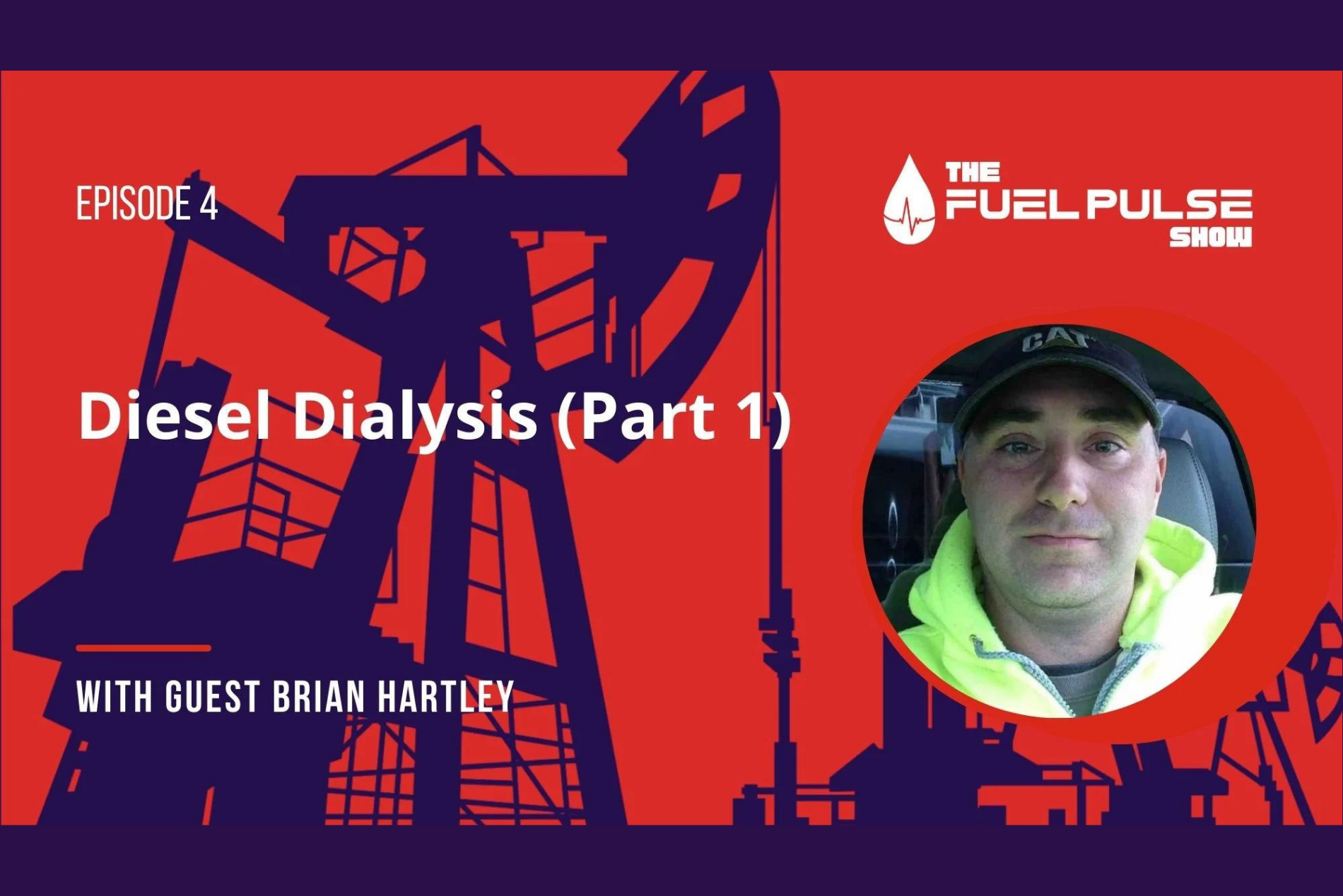 Erik Bjornstad : Apr 20, 2022, 6:00:00 AM
Listen to Brian Hartley, the owner of Diesel Dialysis, share the most important steps you need to take to make sure you’re taking care of your fuel...
Leave a Comment
Have a question or something to add? Share your thoughts below.