


 Erik Bjornstad
Fuel stabilizer for boats: Why do I need one?
Is a fuel stabilizer for boats needed? Find out in this post.

Owners of jet skis and personal watercraft (PWC) have waited patiently for this time of year. No need to wait any more. Summer is upon us and the time to break them out of winter hibernation is now here. Here are the steps you need to take to get them up and running.
 The first thing you need to do (after taking your cover off) is check the fuel line and cooling lines. You want to make sure no cracks or leaks have developed over the winter. A busted fuel line is a quick way to strand you out on the water. While you’re at it, check all the wires and belts to make sure they’re not loose or damaged. Replace as needed.
Next, wash off all the dust and clear out the exhaust pipe. Give the exterior a good coat of wax while you’re at it.
Now you want to address some specific areas.
Drain any fuel and oil that was left in the machine during storage and refill with fresh oil and gas. Preferably, you’ll want to treat the gas with a marine fuel treatment or stabilizer. The detergents in the fuel treatment will help clean the system free of any deposits that may have developed over the winter.
Check the spark plug for signs of rust or moisture. If you had it covered during the winter, the moisture may not be a problem, but rust could be.
Grease and seal all bearings. This ensures that dirt and contaminants don’t make their way into the engine where they’re not supposed to be.
Last, don’t neglect your battery. Make sure it’s fully charged. Now you’re ready to go!
If you are interested in getting a jet ski ready for summer, then you might want to check out these other posts:
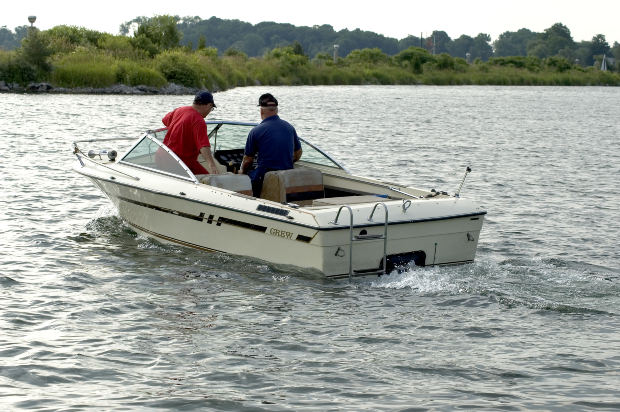
Is a fuel stabilizer for boats needed? Find out in this post.
 Erik Bjornstad : Jun 16 2016
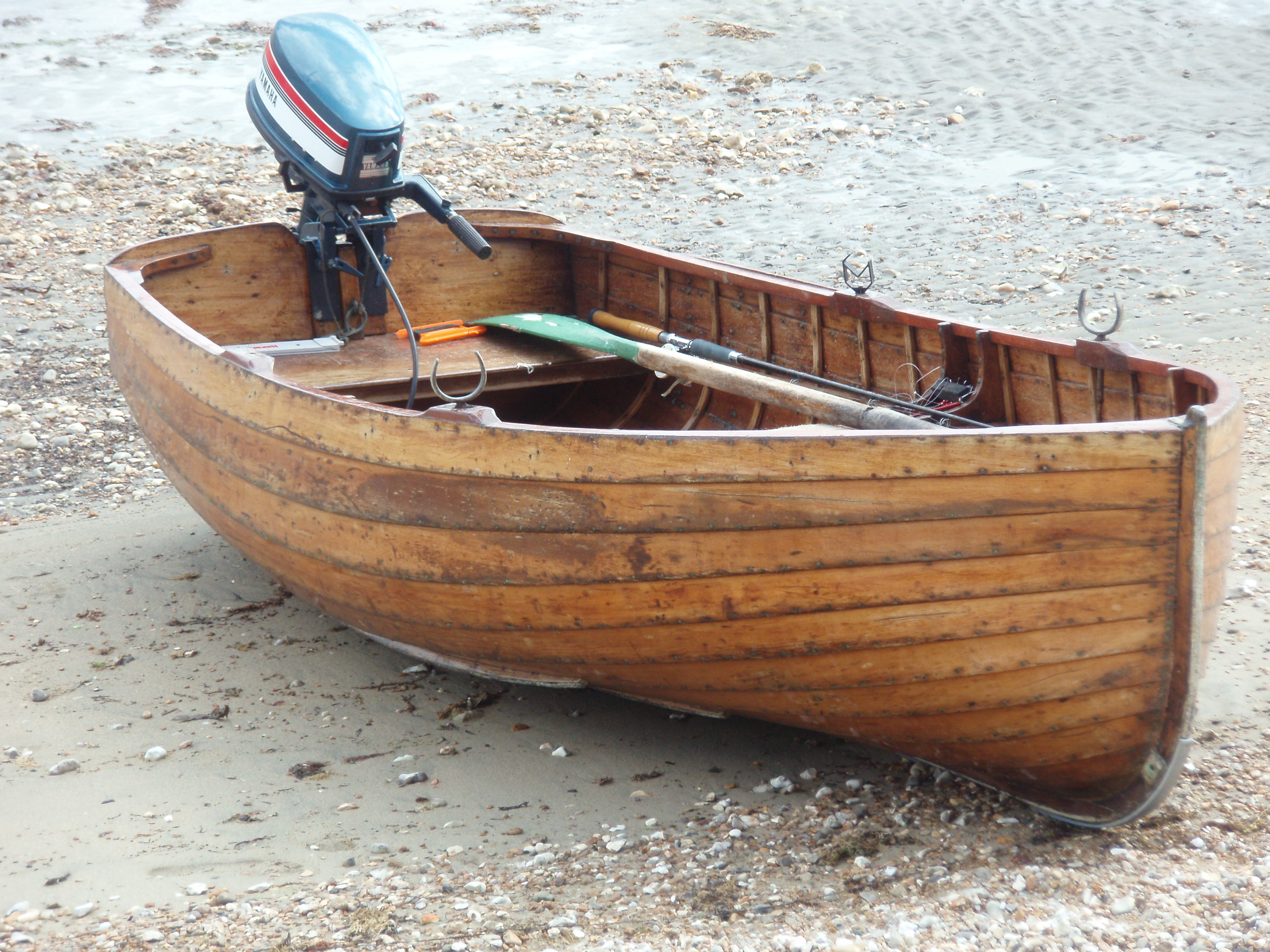
With boat owners facing ethanol added at almost every pump, you'll want to learn about treating gas for outboard motors.
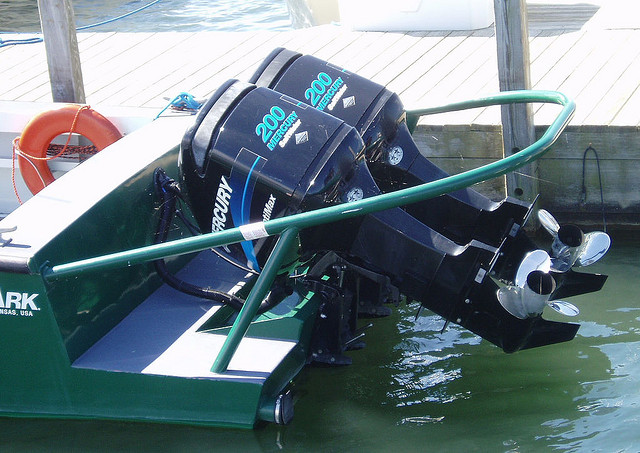
Find out what you can do to prevent water in fuel for your boat or watercraft.
Leave a Comment
Have a question or something to add? Share your thoughts below.