


 Erik Bjornstad
Storing Biodiesel
Biodiesel is less stable in storage than regular diesel. Use additives when storing biodiesel. A fuel biocide can help preserve it.

A significant portion of diesel fuel out there already containing up to 5% biodiesel, Does it change diesel storage properties to any great degree?
When biodiesel was flooding into the market around 2007 (due to the federal tax credits), the industry concerns were trumpeted – lower mileage because of less energy, stability and cold flow problems, concerns about the potential for biodiesel quality issues. The quality issues have gotten a lot better simply from producers getting better at making it on a large scale. And mileage concerns are mitigated by the fact that 2 percent or 4 percent biodiesel in a diesel blend isn’t going to be enough to make a difference.
The thing that should concern people most about even low percentages of bio in their fuel is its affinity for water. Usually when we talk about water attraction in a biofuel, it’s in respect to ethanol. But, like ethanol, biodiesel is also hygroscopic, and can absorb and hold even small amounts of water. Without going into too much detail, this can lead to
Freezing in the fuel, which offers “nucleation” sites for crystals to form that speeds up fuel gelling in the winter
All this isn’t even counting water’s role in making it easier for microbes to grow in the fuel
We put together a video covering biodiesel storage issues. To learn more, just go to:

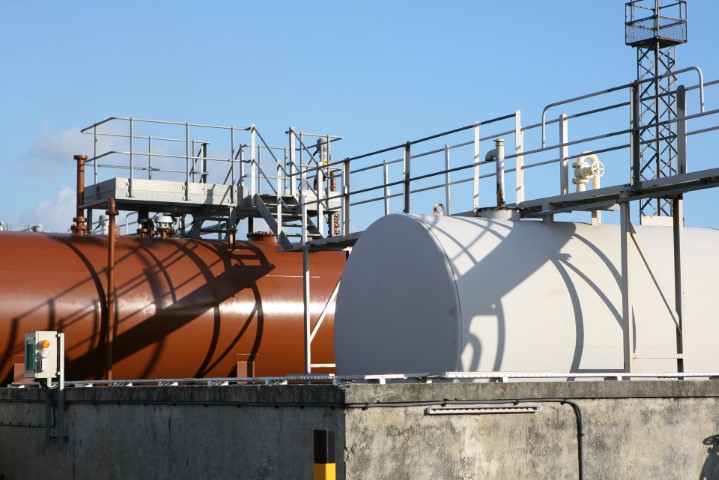
Biodiesel is less stable in storage than regular diesel. Use additives when storing biodiesel. A fuel biocide can help preserve it.

Learn about the key factors influencing the storage life of biodiesel fuels, including microbial contamination, oxidative stability, and feedstock...
 Erik Bjornstad : Jun 8 2016
Explore the impact of biofuels on today's fuel storage and management, focusing on ethanol and biodiesel issues, and learn solutions to common...
Leave a Comment
Have a question or something to add? Share your thoughts below.