


Better gas mileage standards just announced
The new higher gas mileage requirements for cars and trucks that we mentioned on the Bell Blog a couple of months ago are now the law of the land....
3 min read
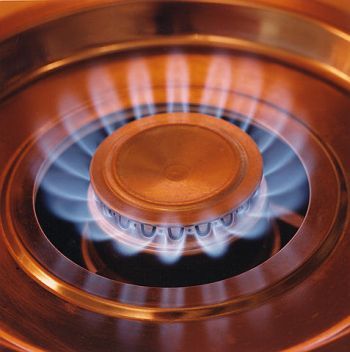
 Natural gas is ushering in a new energy renaissance in the USA. Well, ok, not exactly, but it is quite a big deal.
Such was the message at the Orlando Citrus Club in June when Bell Performance attended a discussion with Marianne Kah. She's the Chief Economist for Conoco Phillips, and also the company's "Scenario Planner", meaning that she heads up the department charged with looking into the future and preparing the company for whatever the future may hold. So Ms. Kah knows a thing or two about both the world and the national energy outlook.
When looking at numbers, it becomes apparent really quickly that natural gas is representing an increasingly larger piece of the US energy pie. And unless you're a diehard environmentalist, that's not really a bad thing when you compare it to what it could be replacing. Natural gas is much cleaner in many ways than coal and oil. It has what Ms. Kah referred to as "lower lifecycle greenhouse gas emissions" - meaning that if you consider the environmental impact of using natural gas from start (pulling it out of the ground) to finish (burning it in your home or vehicle), it has less of a greenhouse footprint than other gases (one reason for this is that natural gas plants can be built closer to the extraction site, lessening the greenhouse impact). Gas power plants (what they call "combined cycle plants") are 40% cheaper to build and run than coal plants. Natural gas itself burns much cleaner with fewer non-carbon emissions than other fossil fuels.
All this being said, we shouldn't go with any story that implies that there are no negatives with natural gas. While it is cleaner-burning, there are concerns about the environmental impacts of pulling it out of the ground - the "fracking" process that you may have heard of. This involves drilling holes into rock where natural gas is naturally stored and using water to flush the gas out. Along with the gas comes lots and lots of unwanted things like salt and barium that have to be cleaned up. So it's not a completely clean process and the fracking issue is very controversial. Those who live in Western Pennsylvania are well familiar with the politics of fracking and how polarizing the entire issue of natural gas production is.
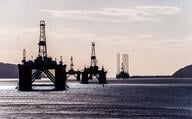 Western Pa. is the epicenter of what's good and bad about the natural gas energy explosion. We had no idea that things would turn out this way 5-10 years ago. Back then, every analyst figured the US would have access to less and less oil and energy. But then came the discovery of trillions (that's with a T) of cubic feet of natural gas trapped in shale formations like the Marcellus Shale of Pennsylvania, West Virginia and New York. Once the oil companies figured out we had all this gas, they developed processes to get it out of the rock. These discoveries changed the national energy outlook completely - so much so that we've overtaken Russia as the #1 producer of natural gas in the world. We have so much natural gas that the price for natura gas has dropped to historic lows - $2 a cubic foot. It was $4 last May. $15 a cubic foot back in 2008. This gives the US an advantage over other countries that don't have access to similar resources. In comparison, Japan has to import all its natural gas - more so now that they've shut down their nuclear facilities. They pay $16-18 a cubic foot for it. We pay a little more than $2.
So it's looking like the US is set for a while. The natural gas surplus will not only keep energy prices low, but will help protect us against hurricane interruptions to our energy supply (since we're not tied to depending on oil refineries on the Gulf Coast for so much of our energy supply). Hopefully this surplus will not keep us from developing some of the renewable energy resources we will need in the future, because the gas will eventually run out. On the flip side, we think those who take the diehard position that natural gas is bad because it's just another fossil fuel are off base, too. The national energy supply of the US is a slow moving ship, and you can't make quick turns. Whether Al Gore likes it or not, we do need to keep burning carbon-based fuels while we develop alternatives. And natural gas looks like a winner for that.

The new higher gas mileage requirements for cars and trucks that we mentioned on the Bell Blog a couple of months ago are now the law of the land....
Our automobile landscape is about to undergo a fundamental shift that will forever transform it. We’ve seen tipping points before - points where...

Did you ever wonder why it is almost impossible to duplicate the EPA city and highway mileage ratings for your vehicle? This rating is usually found...